Fruit · Al Baydha, Makkah Province, Saudi Arabia · 2010 to 2016 (active work)
Al Baydha Project
In foothills that get about 70 mm of rain a year, a Bedouin community and permaculture designers caught every flood in swales and check dams, and grew trees that survived after the water was turned off.
about 70 mm of rain a year
See it change from space
Google Earth Timelapse shows every year since 1984. Press play, and watch the land change.
The story
Al Baydha sits in the rocky foothills of the Hijaz Mountains, about 50 km south of Mecca. Rain is rare: Neal Spackman put the average at about 70 mm a year, with evaporation over 5,000 mm. Rain often comes as a single flood after years without any.
The project was founded in 2009 by Princess Haifa Al-Faisal, Mona Hamdy and permaculture designer Neal Spackman, with advice from Geoff Lawton. It aimed to restore land and create work and income for the settled Bedouin families who live there.
Earthworks began in October 2010. The team dug swales, built about 30 check dams and stone terraces, and waited for rain. The first flood in January 2011 broke some check dams but filled the swales. The first trees, mostly native acacia, prosopis and ziziphus, went in from December 2012, spaced to match the water caught.
Funding stopped in 2016 and the irrigation was turned off. The trees survived. When Neal Spackman returned in 2020, after about two and a half years with almost no rain, he described the land as lush, with native plants regenerating and insects, birds, lizards and small mammals back.
How they did it
- Swales on contour to catch and sink runoff
- Check dams, gabions and stone terraces to slow flash floods
- Planted hardy native trees (acacia, prosopis, ziziphus) spaced to the water caught
- Drip irrigation only until roots reached deeper moisture
- Mulched swales and let native groundcovers return
What changed
- About 30 check dams and swales built after earthworks began in October 2010.[2]
- About 2,000 trees planted by around 2014, with about 4,000 more planned, depending on rain.[2]
- Funding and irrigation stopped in 2016, but the trees survived the following winter and kept growing.[1]
- By 2020 the land responded much more strongly to rain, with native species regenerating and wildlife returning in stages.[3]
Who did it
Bedouin families of Al Baydha worked on and with the project. Founders Princess Haifa Al-Faisal, Mona Hamdy and Neal Spackman (director 2010 to 2017), with permaculture adviser Geoff Lawton.
Worth knowing
It is small and nearly all the evidence comes from the project's own team, mostly Neal Spackman. There is no published, independent monitoring.
Active work ended in 2016, and the project's current status is not well documented.
What we can take from it
- In deserts, design for the flood, not the average.
- Plant only as many trees as the water you have caught can carry.
- Land that can hold water can keep healing after people step back.
Watch
Sources
- 1.Al Baydha Project · Wikipedia · Story
- 2.20 months of growth on swales in Saudi Arabia (thread by Neal Spackman) · Permies forum · Story
- 3.Absorbing rains to bring landscapes back to life: Neal Spackman (2024) · Climate Water Project · Story
- 4.Regenerative agriculture and desertification reversal: Al Baydah project (2024) · Goumbook · Story
- 5.The Story of Al Baydha: a regenerative agriculture in the Saudi desert · Al Baydha (YouTube) · Film
More places brought back
Shaanxi, Shanxi, Gansu and Inner Mongolia, China · 1994 to 2005 (and since)
Loess Plateau
about 35,000 km² in two World Bank projects
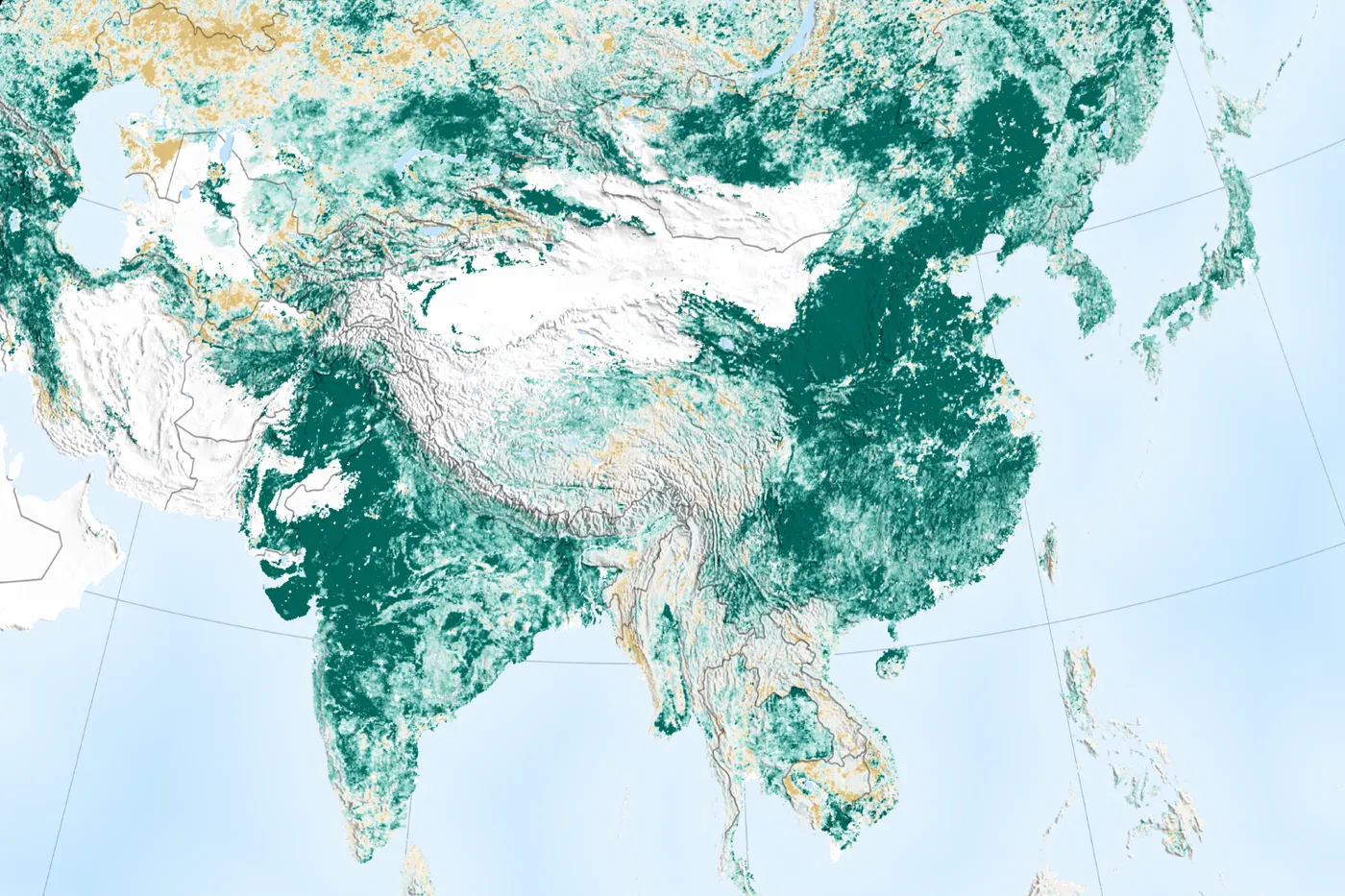
The Loess Plateau had one of the highest erosion rates in the world. From 1994, farming families built terraces and small dams, stopped free grazing and replanted the slopes. Vegetation cover doubled, incomes doubled and the Yellow River carries far less soil.
Fazenda Bulcão, Aimorés, Minas Gerais, Brazil · 1998 to now
Instituto Terra
608 hectares of Atlantic Forest
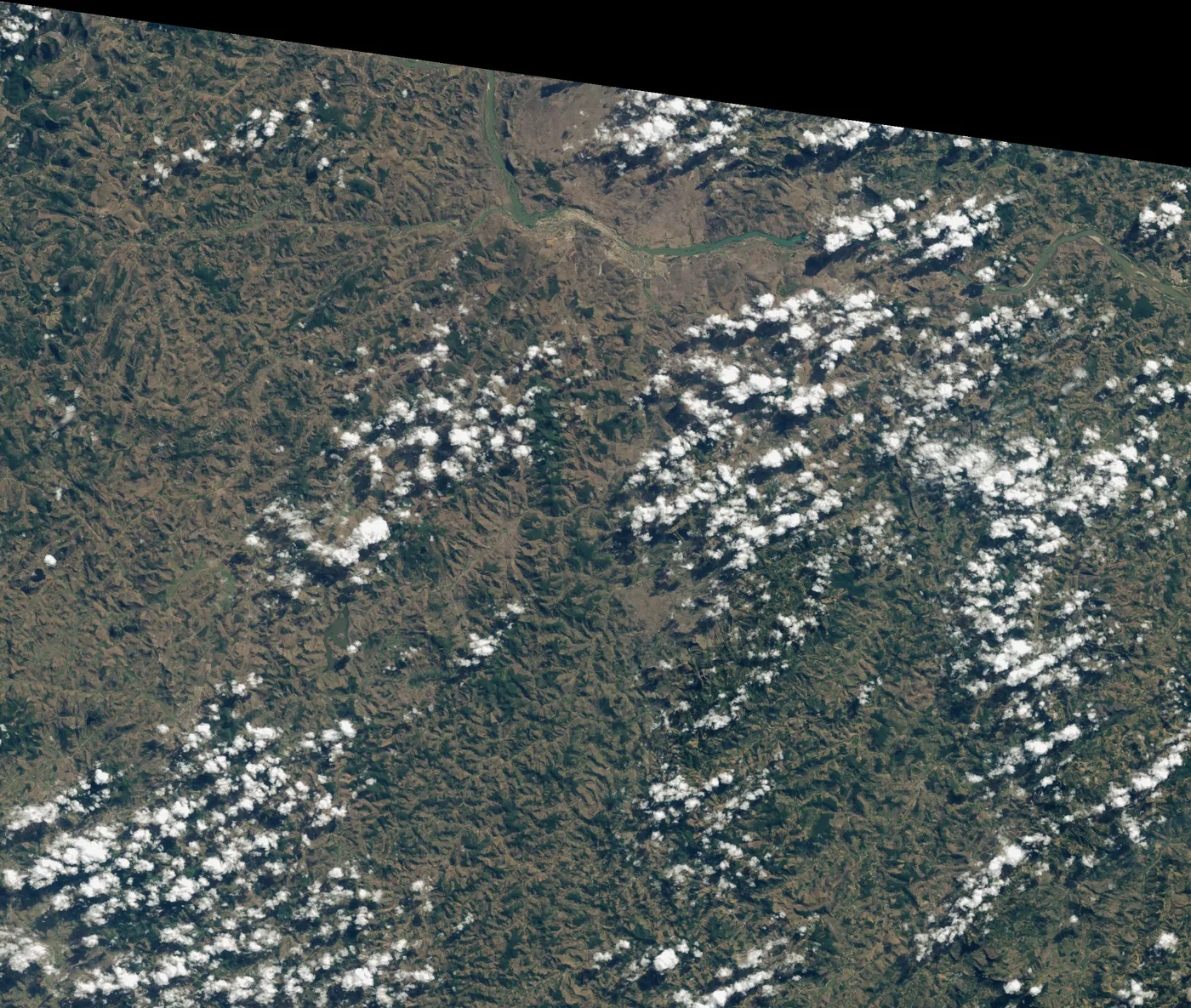
When the Salgados came home to Aimorés in the 1990s, the family farm was bare and eroded. Lélia suggested they plant the forest back. Two decades on, the hills are forested, many species have returned and dry streams flow again.
Maradi and Zinder regions, southern Niger · 1983 to now
Niger's farmer-managed regreening
about 5 million hectares
After the droughts of the 1970s and 1980s, southern Niger's farmland was nearly bare. Farmers began protecting the shoots of living tree stumps in their fields. The trees came back across millions of hectares, at very low cost.