Fruit · Costa Rica · 1987 to now
Costa Rica's forests
Costa Rica went from 21 percent forest cover in 1987 to about 52 percent, by paying landholders to keep and grow forest.
from 21 to about 52 percent forest cover
See it change from space
Google Earth Timelapse shows every year since 1984. Press play, and watch the land change.
The story
About 75 percent of Costa Rica was forest in 1950. Cattle ranching and land laws that rewarded clearing cut it to about 21 percent by 1987, one of the fastest losses in the world.
Earlier laws gave tax breaks and certificates for reforestation. Then Forest Law 7575 in 1996 banned turning forest into other land uses and set up FONAFIFO, the National Forest Financing Fund.
From 1997 FONAFIFO has paid landholders for four services forests provide: storing carbon, protecting water, protecting biodiversity and natural beauty. Part of a fuel tax funds it, along with water fees, international partners and carbon payments.
Farmers, families, Indigenous communities and local associations signed more than 18,000 contracts. Forest cover rose to 51 percent by 2005 and 52.4 percent in the 2013 national forest inventory.
How they did it
- A law banning conversion of forest to other uses (Forest Law 7575, 1996)
- Payments to landholders for protecting forest, regrowing it and planting trees
- Funding from a share of the fuel tax, water fees and carbon finance
- Contracts open to small landholders and Indigenous territories
- A large network of protected areas
What changed
- Forest cover: 75 percent (1950), 21 percent (1987), 42 percent (1997), 51 percent (2005).[1]
- 52.4 percent forest in the 2013 national forest inventory.[1]
- From 1997 to 2019 the payments programme put more than US$524 million into projects across more than 1.3 million hectares.[3]
- More than 18,000 families and 19 Indigenous communities took part.[3]
- Called the first tropical country in the world to reverse deforestation.[4]
Who did it
Costa Rican farmers, families, Indigenous communities and local associations who signed forest contracts, with FONAFIFO, the Ministry of Environment and Energy (MINAE) and the national conservation system.
Worth knowing
Forest cover numbers depend on the definition used. The World Bank says forests fell as low as about 40 percent in 1987 and are close to 60 percent now; FAO data give about 59 percent.
Researchers found deforestation from 1997 to 2000 was not much lower where payments went, and credit earlier conservation policies too. Falling beef prices and tourism also played a part.
What we can take from it
- Pay people for what a forest gives everyone: clean water, carbon and wildlife.
- A stable source of money, like a fuel tax share, keeps a programme going for decades.
- Strong rules against clearing plus rewards for keeping forest work better together.
Sources
- 1.Programa de Pago de Servicios Ambientales en Costa Rica (FONAFIFO presentation, Chile 2016) · FONAFIFO (hosted by Chile's Ministry of Environment) · Official
- 2.Enabling the legal framework for PES, Costa Rica (TEEB case, 2010) · Convention on Biological Diversity · Report
- 3.Pago por Servicios Ambientales (PSA), Costa Rica · IDEASS Online · Report
- 4.Costa Rica's forest conservation pays off (2022) · World Bank · Official
- 5.Costa Rica named UN Champion of the Earth (2019) · UNEP · Official
- 6.Costa Rica's payment for environmental services program: intention, implementation, and impact (Sánchez-Azofeifa et al. 2007) · Conservation Biology · Research
- 7.Forest area (% of land area), Costa Rica · World Bank Open Data (FAO data) · Official
More places brought back
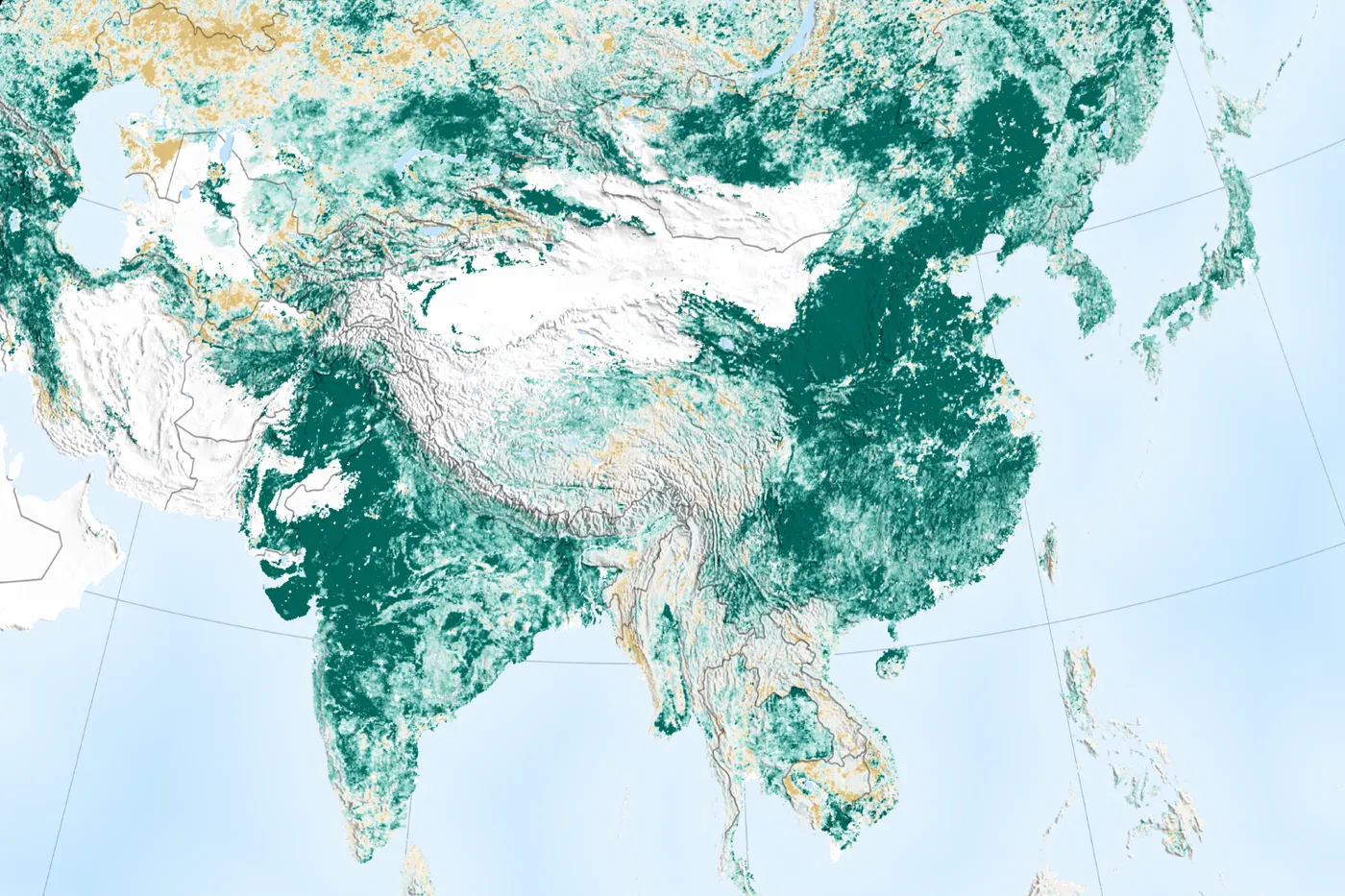
Shaanxi, Shanxi, Gansu and Inner Mongolia, China · 1994 to 2005 (and since)
Loess Plateau
about 35,000 km² in two World Bank projects
The Loess Plateau had one of the highest erosion rates in the world. From 1994, farming families built terraces and small dams, stopped free grazing and replanted the slopes. Vegetation cover doubled, incomes doubled and the Yellow River carries far less soil.
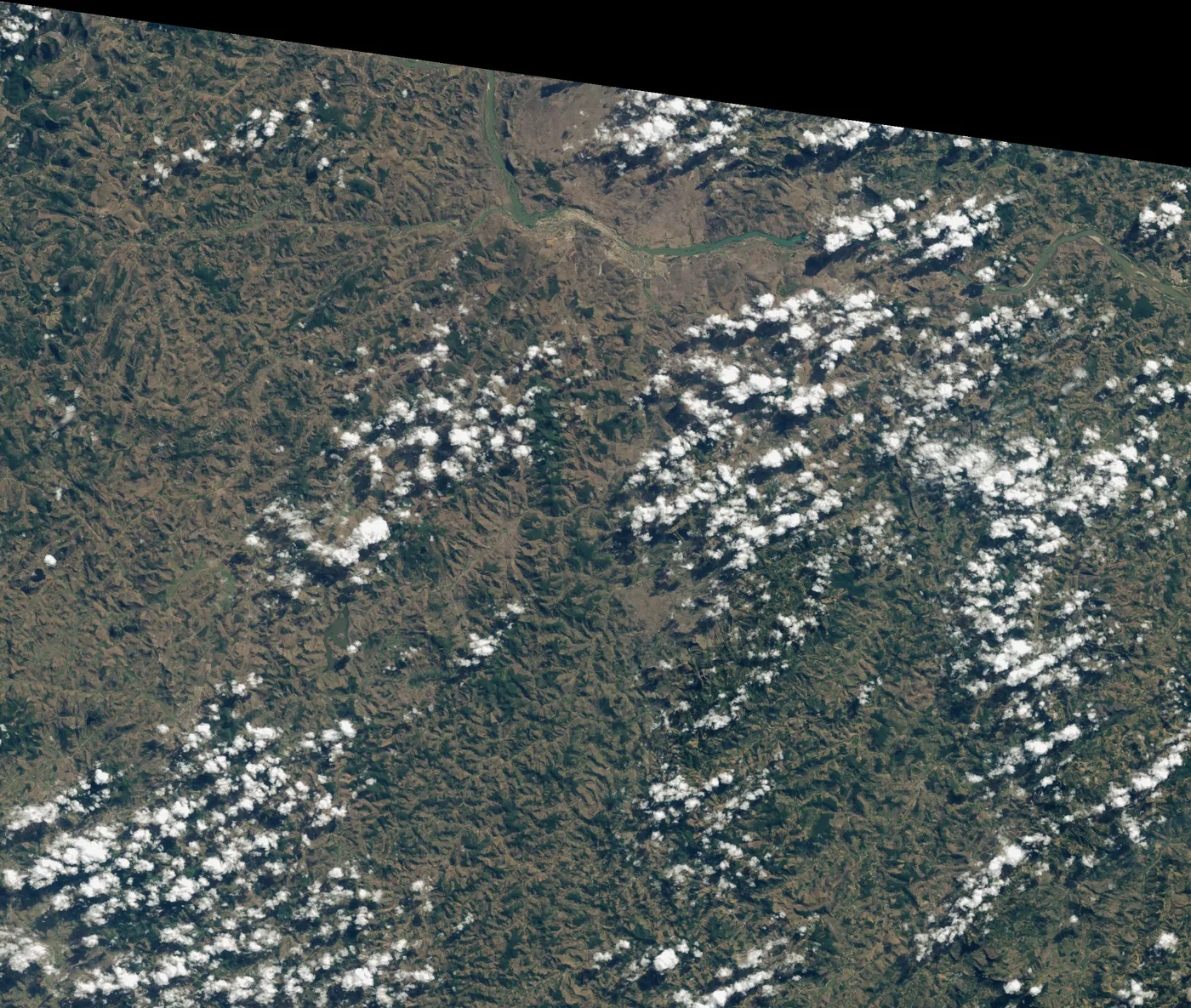
Fazenda Bulcão, Aimorés, Minas Gerais, Brazil · 1998 to now
Instituto Terra
608 hectares of Atlantic Forest
When the Salgados came home to Aimorés in the 1990s, the family farm was bare and eroded. Lélia suggested they plant the forest back. Two decades on, the hills are forested, many species have returned and dry streams flow again.
Maradi and Zinder regions, southern Niger · 1983 to now
Niger's farmer-managed regreening
about 5 million hectares
After the droughts of the 1970s and 1980s, southern Niger's farmland was nearly bare. Farmers began protecting the shoots of living tree stumps in their fields. The trees came back across millions of hectares, at very low cost.