Fruit · Hangjin Qi, Ordos, Inner Mongolia, China · 1988 to now
Kubuqi Desert
Starting from a salt works in 1988, a company, local herders and government planted trees, shrubs and grasses over more than 5,000 km² of the Kubuqi Desert.
more than 5,000 km² planted
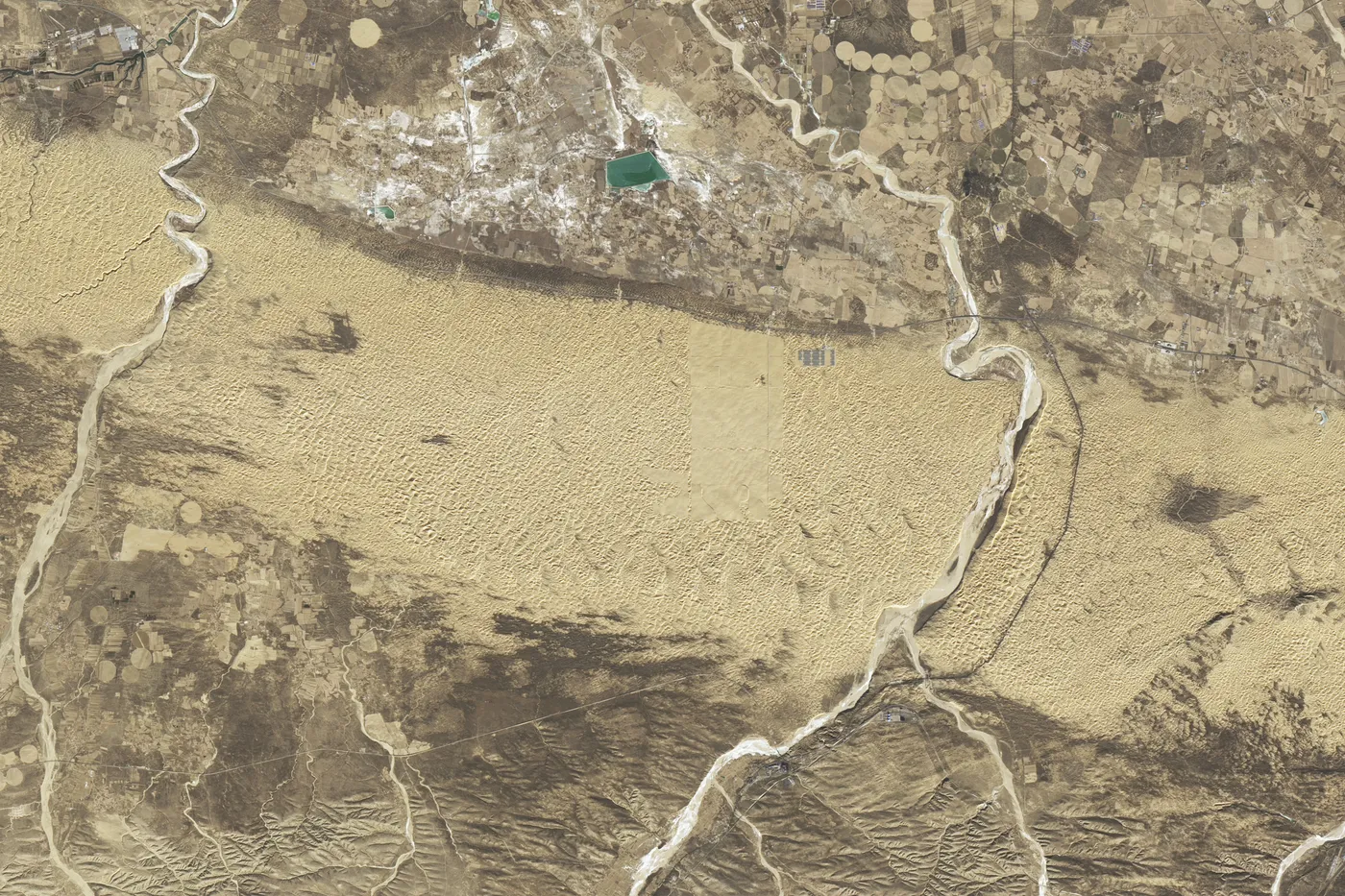
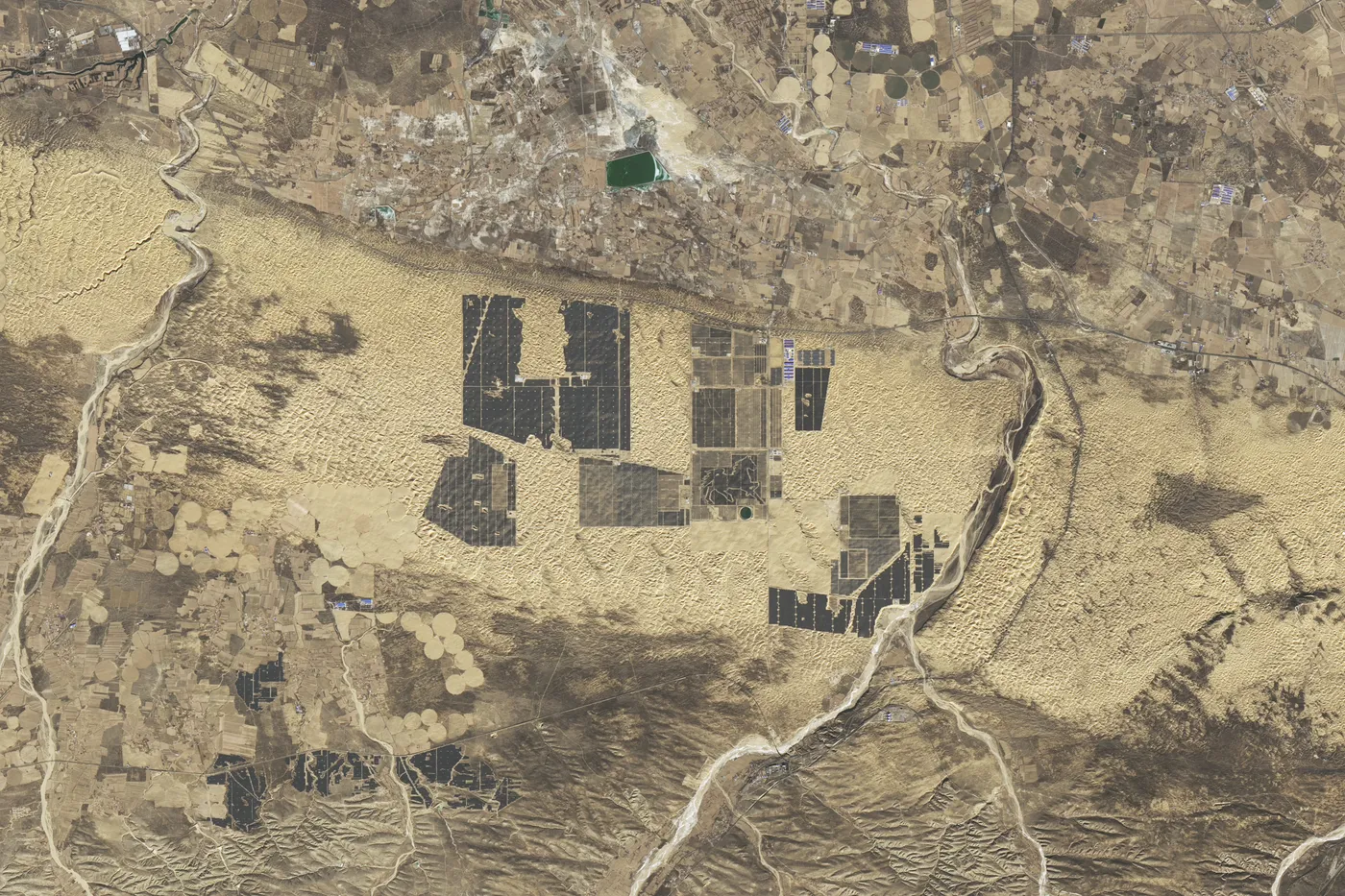
See it change from space
Google Earth Timelapse shows every year since 1984. Press play, and watch the land change.
The story
The Kubuqi Desert runs about 400 km along the south bank of the Yellow River. Centuries of grazing had stripped the land, and sand buried roads and threatened the salt works in the middle of the desert.
In 1988 Wang Wenbiao, manager of the salt works, put 5 yuan from every tonne of salt into tree planting and assigned 27 workers to plant. A 65 km highway to the railway kept getting buried, so the team protected it with shelterbelts and chequerboard plantings.
The work grew into the Kubuqi Ecological Restoration Project of Elion Resources Group, with local governments and national desert-control programmes. A shelterbelt 242 km long now runs along the Yellow River. Local households were encouraged to grow liquorice, and Elion supplied seeds and training and bought the harvest at a fair price.
UNEP reviewed the project in 2015 and found fewer dust storms and a greening trend in satellite data. In 2017 Wang Wenbiao received a UNEP Champions of the Earth award for lifetime achievement. Today the desert edge is also becoming a giant solar farm.
How they did it
- Shelterbelts and chequerboard plantings to hold moving sand along roads
- Fenced, closed areas so plants could establish
- Drought-tolerant shrubs and grasses grown on rainfall, trees only where groundwater is close
- Liquorice and herb farming with local households, with Elion buying the harvest
- Irrigation from deep groundwater and stored Yellow River flood water
What changed
- More than 5,000 km² planted with trees, shrubs and grasses since 1988.[1]
- A shelterbelt 242 km long and 5 to 20 km wide along the Yellow River.[1]
- Strong evidence that dust storms in Hangjin Qi became less frequent and less severe.[1]
- UNEP's model estimated a net benefit of US$1.8 billion over 50 years, with a 12 percent chance of a loss.[1]
- UNEP’s 2017 award citation says around two-thirds of the desert has been greened; a later UNEP story puts it at about a third.[2]
Who did it
Wang Wenbiao and Elion Resources Group led it, with the Hangjin Qi and Ordos governments, national desert-control programmes, and local farmers and herders who planted, worked and grew liquorice.
Worth knowing
This is state-backed and company-led, and UNEP's review was made with Elion's cooperation. The project also serves Elion's businesses.
UNEP found no water table measurements in the project area; local residents said the water table had dropped slightly where it was near the surface. Rainfall alone cannot keep trees alive there.
Scientists have warned that relying too much on tree planting in China's drylands can dry out soils and worsen water shortages.
What we can take from it
- Match plants to the water: shrubs and grasses on rain, trees only where groundwater is near.
- Pay local people for the work and buy what they grow.
- Monitor groundwater from the start, so success does not quietly use up the aquifer.
Sources
- 1.Review of the Kubuqi Ecological Restoration Project: A Desert Green Economy Pilot Initiative (2015) · UNEP · Report
- 2.Wang Wenbiao: Lifetime Achievement, Champions of the Earth 2017 · UNEP · Official
- 3.Wang Wenbiao: Son of the desert with a mission to green the planet · UNEP · Story
- 4.Building a Great Solar Wall in China · NASA Earth Observatory · Satellite
- 5.Kubuqi desert restoration project · European Space Agency · Satellite
- 6.Excessive reliance on afforestation in China's arid and semi-arid regions: lessons in ecological restoration (Cao et al. 2011) · Earth-Science Reviews · Research
More places brought back
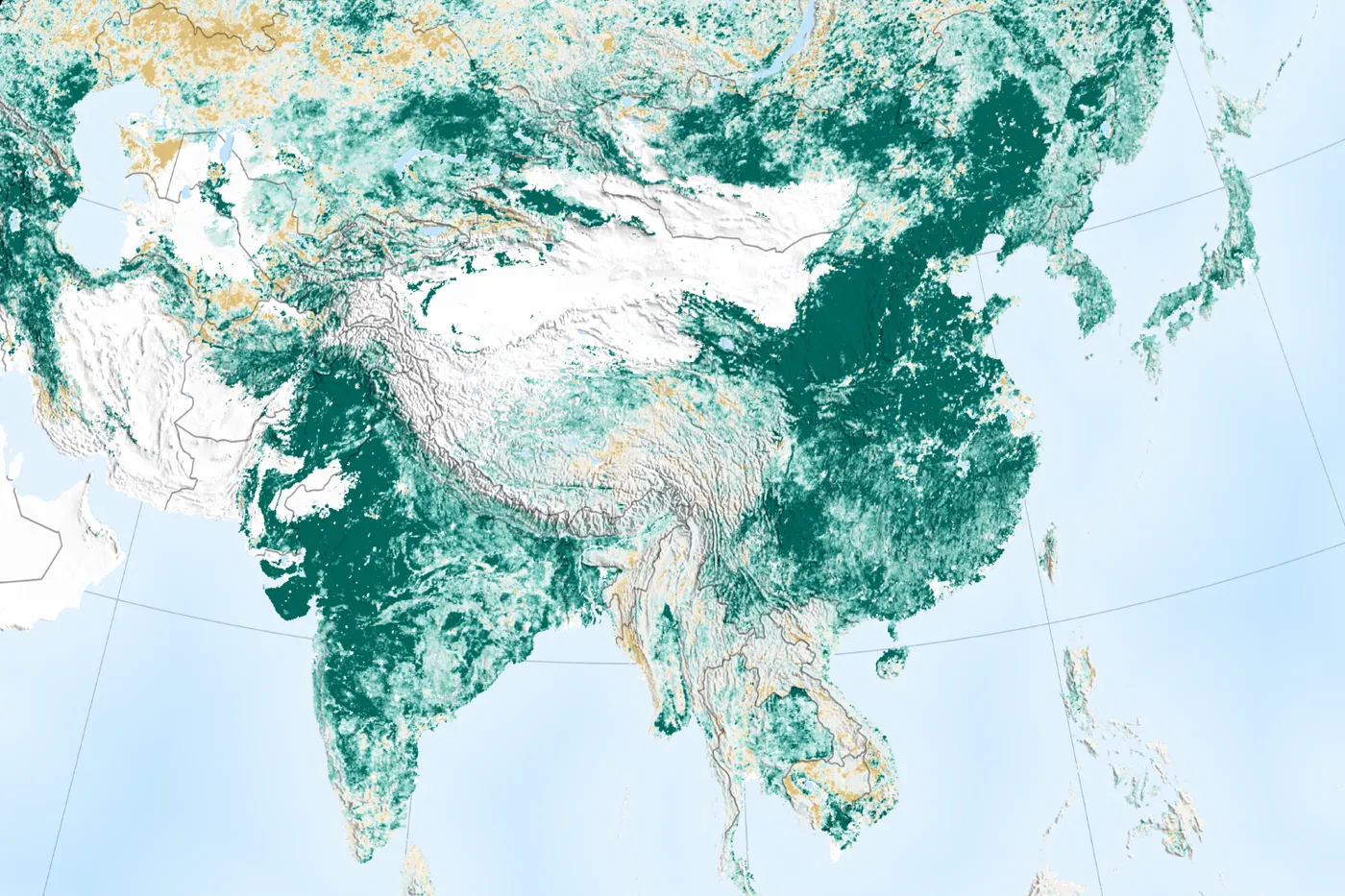
Shaanxi, Shanxi, Gansu and Inner Mongolia, China · 1994 to 2005 (and since)
Loess Plateau
about 35,000 km² in two World Bank projects
The Loess Plateau had one of the highest erosion rates in the world. From 1994, farming families built terraces and small dams, stopped free grazing and replanted the slopes. Vegetation cover doubled, incomes doubled and the Yellow River carries far less soil.
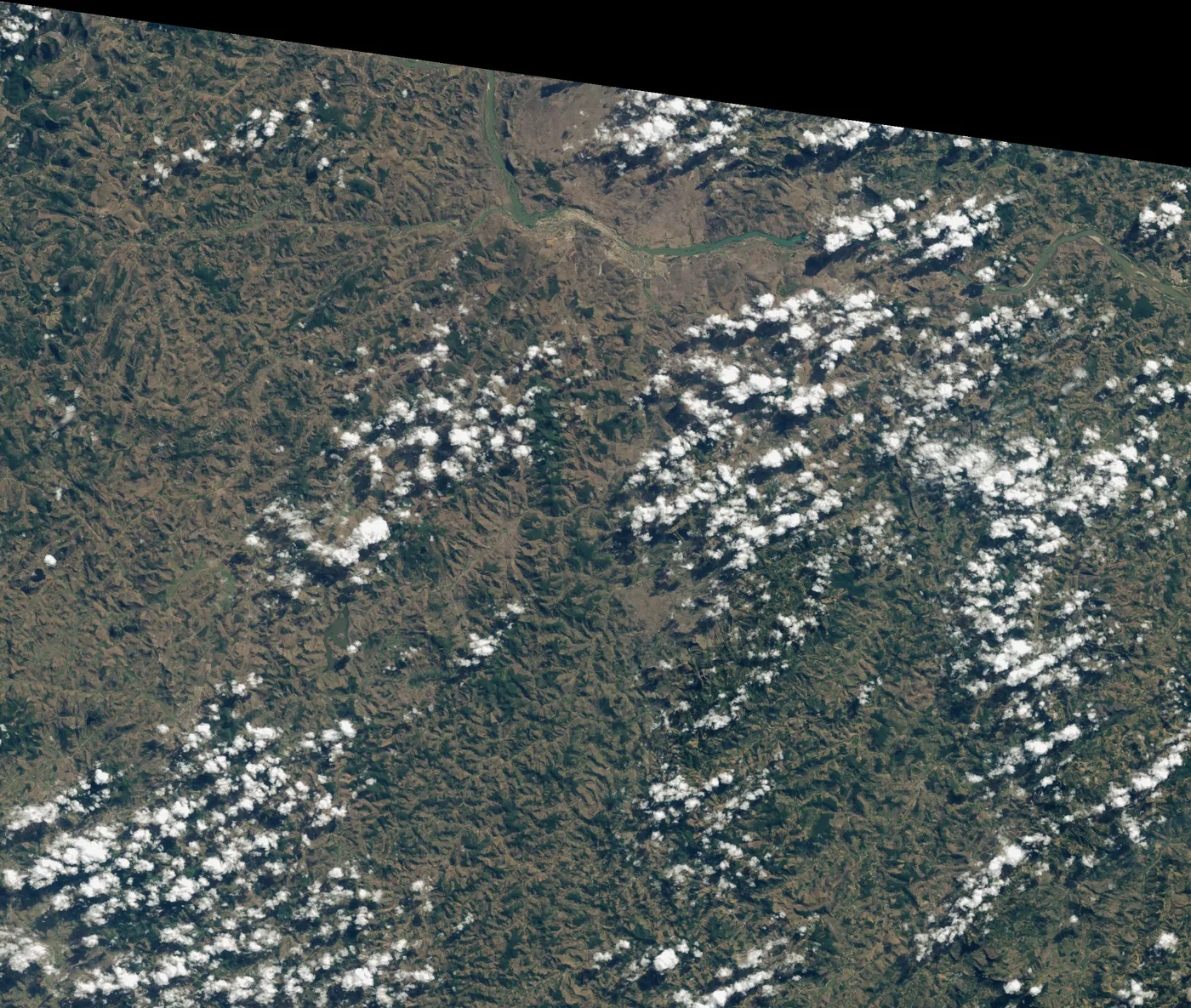
Fazenda Bulcão, Aimorés, Minas Gerais, Brazil · 1998 to now
Instituto Terra
608 hectares of Atlantic Forest
When the Salgados came home to Aimorés in the 1990s, the family farm was bare and eroded. Lélia suggested they plant the forest back. Two decades on, the hills are forested, many species have returned and dry streams flow again.
Maradi and Zinder regions, southern Niger · 1983 to now
Niger's farmer-managed regreening
about 5 million hectares
After the droughts of the 1970s and 1980s, southern Niger's farmland was nearly bare. Farmers began protecting the shoots of living tree stumps in their fields. The trees came back across millions of hectares, at very low cost.