Fruit · Republic of Korea · 1973 to 2000s
South Korea's forests
South Korea replanted 1.08 million hectares in six years, and bare post-war mountains are now forest covering about 64 percent of the land.
about 64 percent of the land now forested
See it change from space
Google Earth Timelapse shows every year since 1984. Press play, and watch the land change.
The story
South Korea's forests were heavily cut during the Japanese occupation and the Korean War (1950 to 1953). Until the late 1950s, 58 percent of the mountains were bald, and people relied on firewood.
In 1973 the government launched the first Ten-Year Forest Rehabilitation Plan, to replant 1 million hectares with 2.1 billion trees. It was done in six years: 1.08 million hectares and 2.96 billion plants.
Villages did much of the work through the Saemaul (New Village) movement. Village plantings covered 470,000 hectares, 43 percent of all afforestation from 1973 to 1978, and village nurseries grew more than a third of the seedlings. Villages shared profits from fuelwood forests, and switching to coal reduced the need to cut the hills.
A second ten-year plan followed and was finished in nine years. Satellite records show the young forests growing and their growing season lengthening. Forest now covers about 64 percent of the land.
How they did it
- National ten-year replanting plans with clear targets
- Village forestry cooperatives and the Saemaul movement doing the planting
- Village nurseries that paid members and built village funds
- Profit sharing on fuelwood forests between villages and landowners
- Switching homes from firewood to coal
What changed
- First plan: 1.08 million hectares and 2.96 billion plants, 108 percent of target, in six years.[1]
- Village (Saemaul) planting covered 470,000 hectares, 43 percent of national afforestation from 1973 to 1978.[1]
- Village nurseries grew 34.8 percent of the 2.7 billion seedlings in the first plan period.[1]
- Forest covered 64.4 percent of South Korea's land in 2023.[3]
- Young forests, mostly under 30 years old, hold 72 percent of the country's forest biomass.[2]
Who did it
Villagers across the country, working through village forestry cooperatives and the Saemaul movement, with the national government and forest service setting the plans.
Worth knowing
Much of the forest is young and was planted in a short burst, so it is fairly uniform in age.
Forest area has eased slightly since 1990, from about 68 to about 64 percent of the land.
What we can take from it
- National targets work best when villages do the planting and share the benefits.
- Give people another fuel and the hills can rest.
- A whole country can turn bare hills into forest within one generation.
Sources
- 1.How the Republic of Korea successfully implemented a country-wide reforestation policy within 40 years (2018) · Asian Development Bank, Development Asia · Report
- 2.Satellite data-based phenological evaluation of the nationwide reforestation of South Korea (Jeong et al. 2013) · PLOS ONE · Research
- 3.Forest area (% of land area), Korea, Rep. · World Bank Open Data (FAO data) · Official
More places brought back
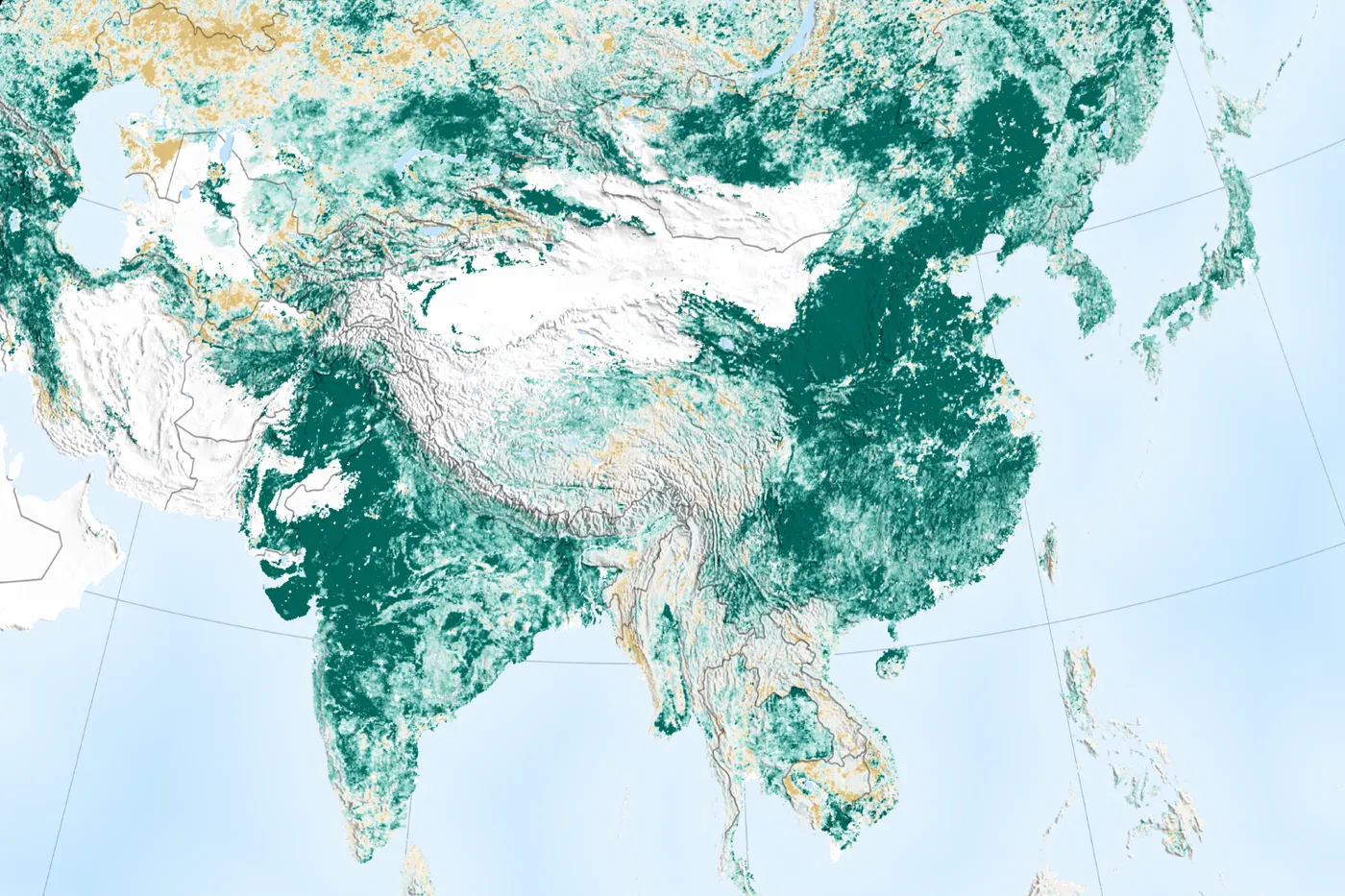
Shaanxi, Shanxi, Gansu and Inner Mongolia, China · 1994 to 2005 (and since)
Loess Plateau
about 35,000 km² in two World Bank projects
The Loess Plateau had one of the highest erosion rates in the world. From 1994, farming families built terraces and small dams, stopped free grazing and replanted the slopes. Vegetation cover doubled, incomes doubled and the Yellow River carries far less soil.
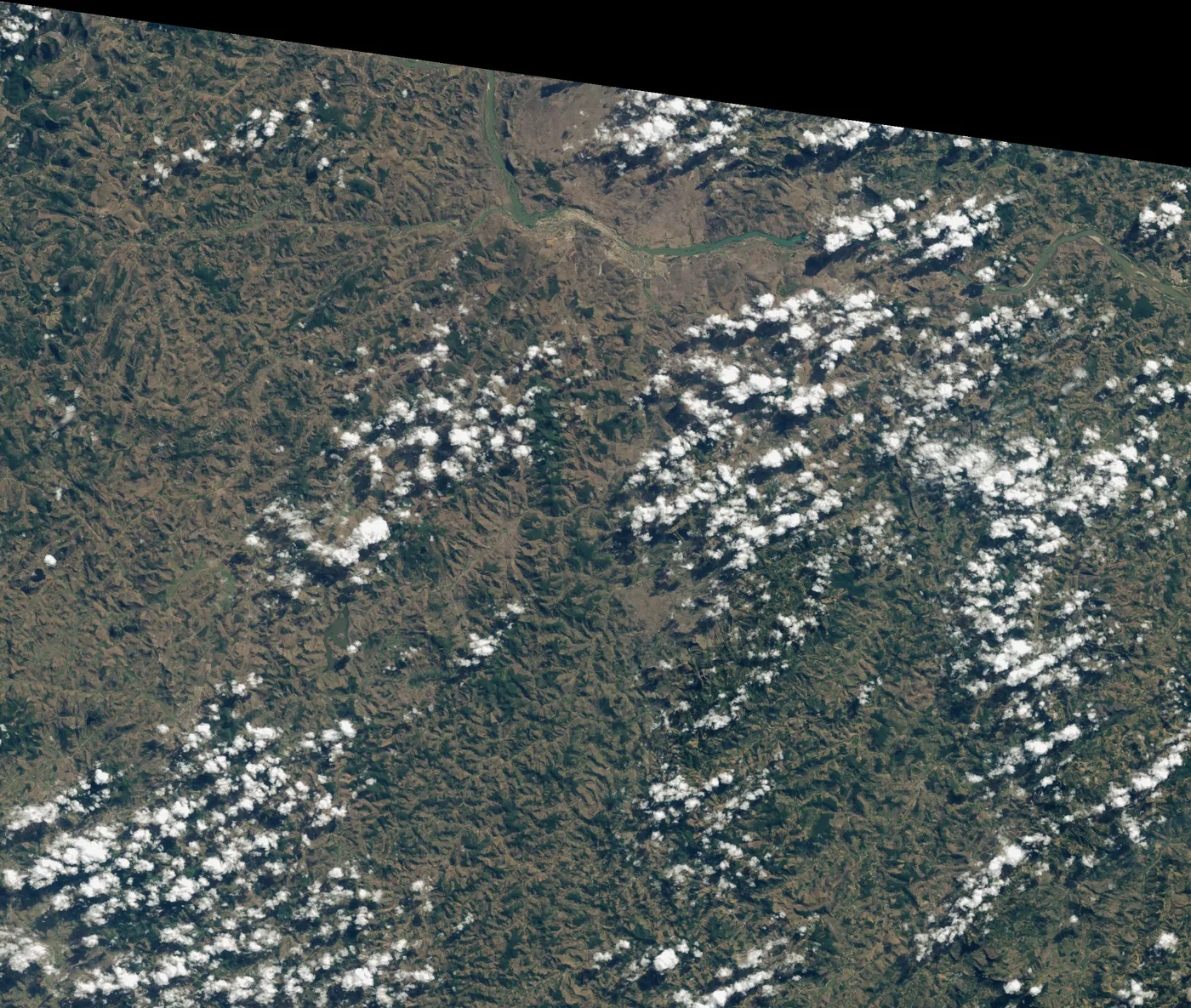
Fazenda Bulcão, Aimorés, Minas Gerais, Brazil · 1998 to now
Instituto Terra
608 hectares of Atlantic Forest
When the Salgados came home to Aimorés in the 1990s, the family farm was bare and eroded. Lélia suggested they plant the forest back. Two decades on, the hills are forested, many species have returned and dry streams flow again.
Maradi and Zinder regions, southern Niger · 1983 to now
Niger's farmer-managed regreening
about 5 million hectares
After the droughts of the 1970s and 1980s, southern Niger's farmland was nearly bare. Farmers began protecting the shoots of living tree stumps in their fields. The trees came back across millions of hectares, at very low cost.