Fruit · Tigray, northern Ethiopia · 1991 to 2020
Tigray
The people of Tigray moved at least 90 million tonnes of soil and rock by hand and restored more than a million hectares of degraded land.
more than 1 million hectares
See it change from space
Google Earth Timelapse shows every year since 1984. Press play, and watch the land change.
The story
In the 1980s northern Ethiopia was ravaged by drought and famine. The 1984 famine affected about eight million people and killed about one million.
Soon after 1991 the regional government and communities began restoring land on a huge scale. People gave around 20 days of work a year, often 20 days of soil and water work early in the year and 20 days of planting later. Over three decades, 30 to 40 percent of the population took part.
They built stone terraces and bunds on hillsides, dug trenches and ponds, filled gullies with gabion check dams, and closed very degraded land to grazing and firewood cutting so it could regrow. Village development groups of about 30 households planned the work together.
Hills turned green, groundwater recharged in the valleys, and people could dig shallow wells. In 2007 Tigray became self-sufficient in food. In 2017 its land restoration policy won the Gold Future Policy Award, chosen ahead of 26 other policies.
War began in November 2020. Researchers estimate that as many as 600,000 people died, mainly from starvation, and 2.1 million were displaced. Fruit trees, forests, terraces and nurseries were destroyed, and many families had to cut trees for fuel. A peace agreement was signed on 2 November 2022, but in October 2026 the African Commission on Human and Peoples' Rights warned of renewed fighting. The people who built this landscape are still living through the cost.
How they did it
- Community work days every year for soil and water conservation and planting
- Stone terraces, bunds, trenches and runoff ponds to slow and hold rain
- Gabion check dams to heal gullies
- Exclosures: closing degraded land to grazing and wood cutting so it can regrow
- Small-scale irrigation from recharged groundwater
What changed
- More than 1 million hectares of degraded farm and forest land restored in East and Central Tigray.[1]
- At least 90 million tonnes of soil and rock moved by hand.[1]
- Irrigated land grew from about 40 hectares in the mid-1990s to almost 40,000 hectares.[1]
- People living below the national poverty line fell from 61.4 percent (2000) to 31.8 percent (2011).[1]
- Erosion fell significantly and groundwater levels were recharged; Gold Future Policy Award 2017.[2]
- Forest cover rose from 3 percent to 17 percent.[6]
Who did it
The people of Tigray did this work: farming families, women, men and young people in every village, organised through village development groups and local extension officers, with the regional government leading. The Tigray Agricultural Research Institute, Mekelle University and other researchers supported and studied the work.
Worth knowing
The 2020 to 2022 war caused immense human suffering, with estimates of up to 600,000 deaths, mainly from starvation, and destroyed much of the restoration work. Renewed fighting was reported in late 2026.
The community work was described as voluntary, but it was also expected of residents, and some public works were part of a food-for-work safety net.
Reported areas differ between sources and years (from 224,000 to more than 1 million hectares) because they measure different things.
What we can take from it
- Whole communities working a few weeks each year can reshape a landscape in a generation.
- Closing land to grazing lets it heal, but people need other ways to feed animals and cook.
- Restored land is only as safe as the people who live on it: peace is part of restoration.
Sources
- 1.How Ethiopia Went from Famine Crisis to Green Revolution (Chris Reij, 2015) · World Resources Institute · Report
- 2.Future Policy Award crowns the world's best land restoration policies · UNCCD · Official
- 3.How to mobilise the masses: Watershed Management in Tigray · World Future Council · Story
- 4.Regreening Ethiopia's drylands · Positive News · Story
- 5.Tigray in Ethiopia was an environmental success story, but the war is undoing decades of regreening (2022) · The Conversation · Story
- 6.The war on Tigray wiped out decades of environmental progress: how to start again (2023) · The Conversation · Story
- 7.AU Commission Chairperson commends all Ethiopians on the first anniversary of the Cessation of Hostilities Agreement · African Union · Official
- 8.Statement on the renewed tensions in Northern Ethiopia (6 October 2026) · African Commission on Human and Peoples' Rights · Official
More places brought back
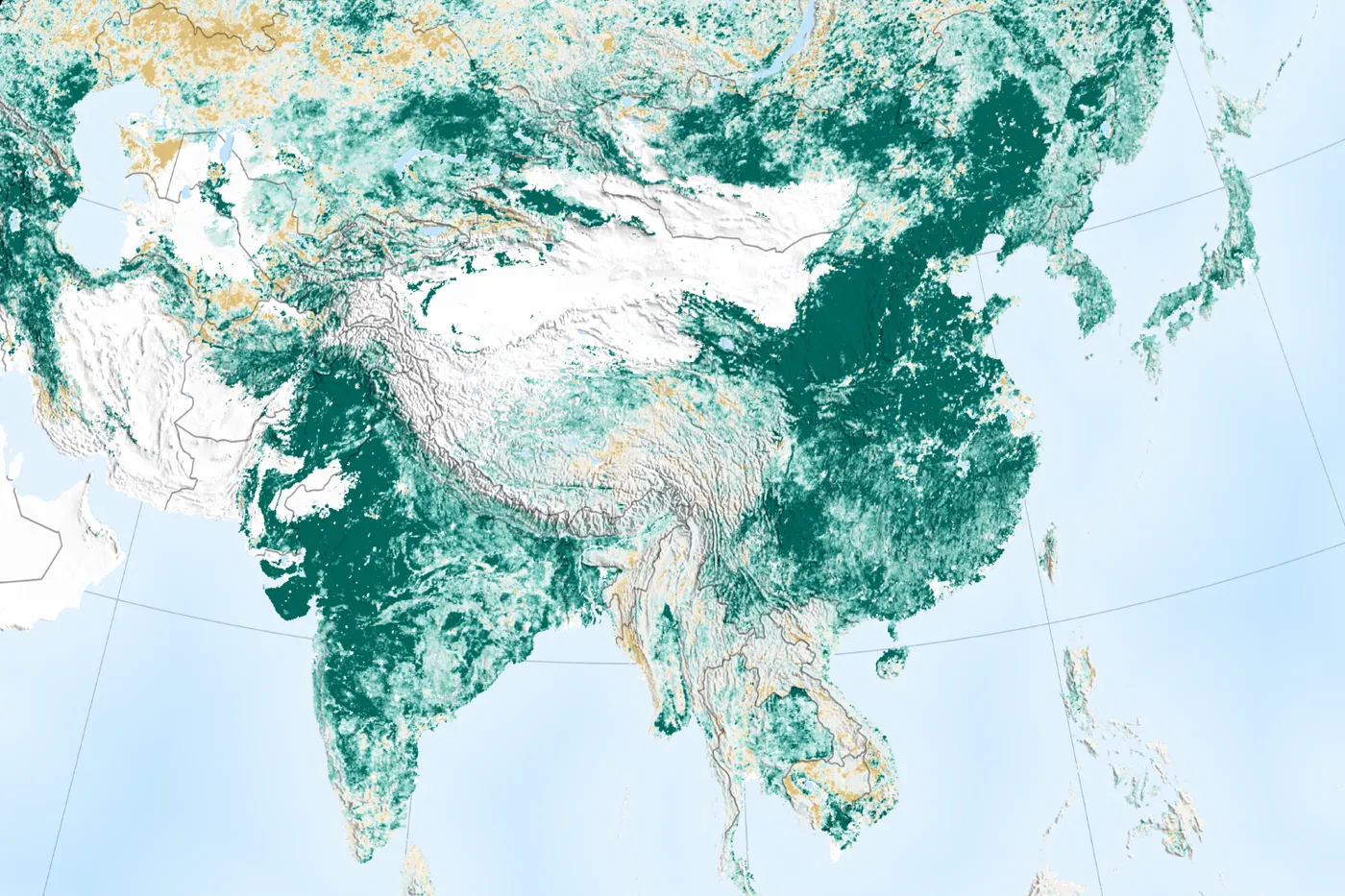
Shaanxi, Shanxi, Gansu and Inner Mongolia, China · 1994 to 2005 (and since)
Loess Plateau
about 35,000 km² in two World Bank projects
The Loess Plateau had one of the highest erosion rates in the world. From 1994, farming families built terraces and small dams, stopped free grazing and replanted the slopes. Vegetation cover doubled, incomes doubled and the Yellow River carries far less soil.
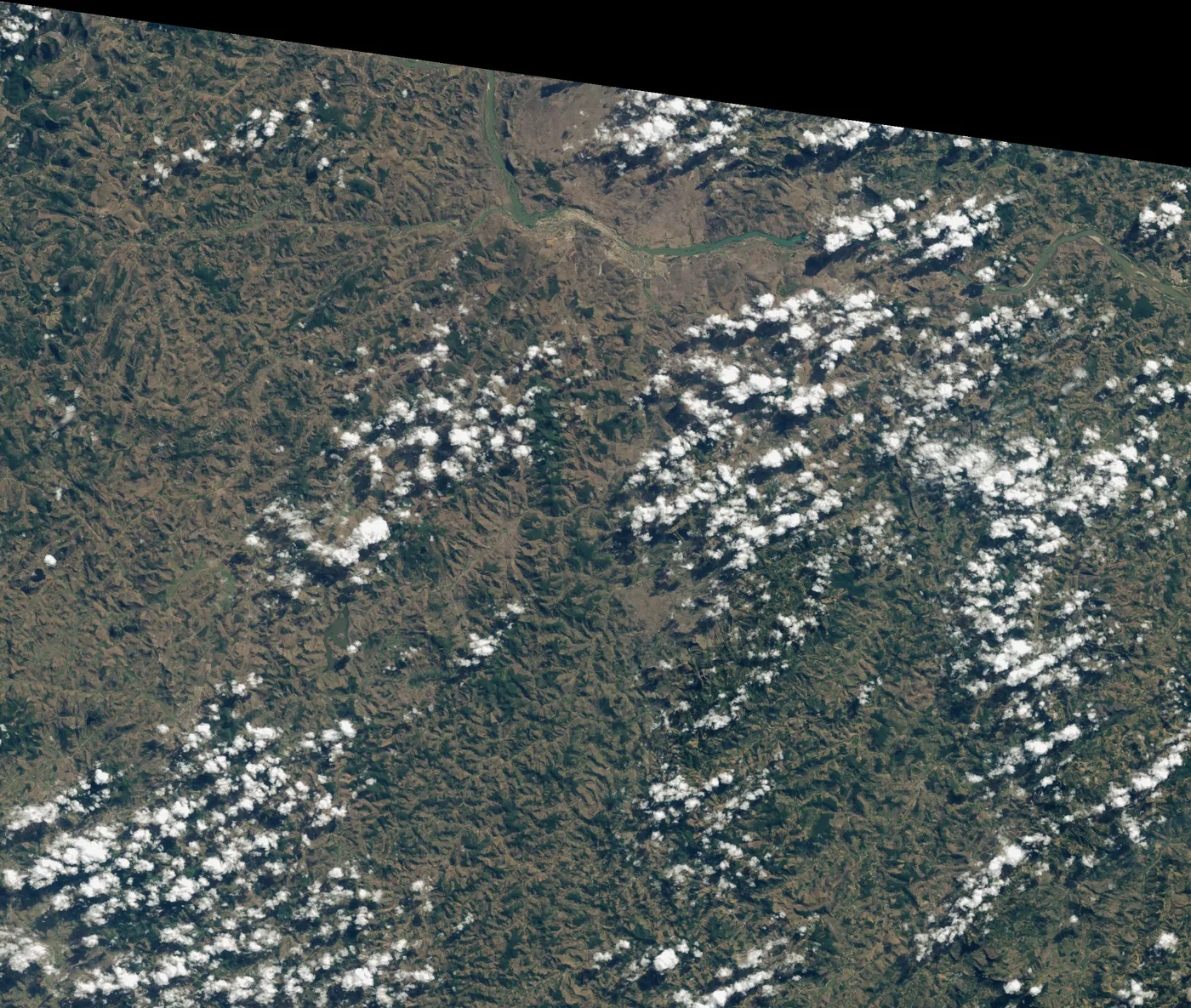
Fazenda Bulcão, Aimorés, Minas Gerais, Brazil · 1998 to now
Instituto Terra
608 hectares of Atlantic Forest
When the Salgados came home to Aimorés in the 1990s, the family farm was bare and eroded. Lélia suggested they plant the forest back. Two decades on, the hills are forested, many species have returned and dry streams flow again.
Maradi and Zinder regions, southern Niger · 1983 to now
Niger's farmer-managed regreening
about 5 million hectares
After the droughts of the 1970s and 1980s, southern Niger's farmland was nearly bare. Farmers began protecting the shoots of living tree stumps in their fields. The trees came back across millions of hectares, at very low cost.