Fruto · Fazenda Bulcão, Aimorés, Minas Gerais, Brazil · 1998 hasta hoy
Instituto Terra
Lélia y Sebastião Salgado convirtieron una finca ganadera agotada en 608 hectáreas de Mata Atlántica, hoy hogar de 297 especies de árboles nativos.
608 hectáreas de Mata Atlántica
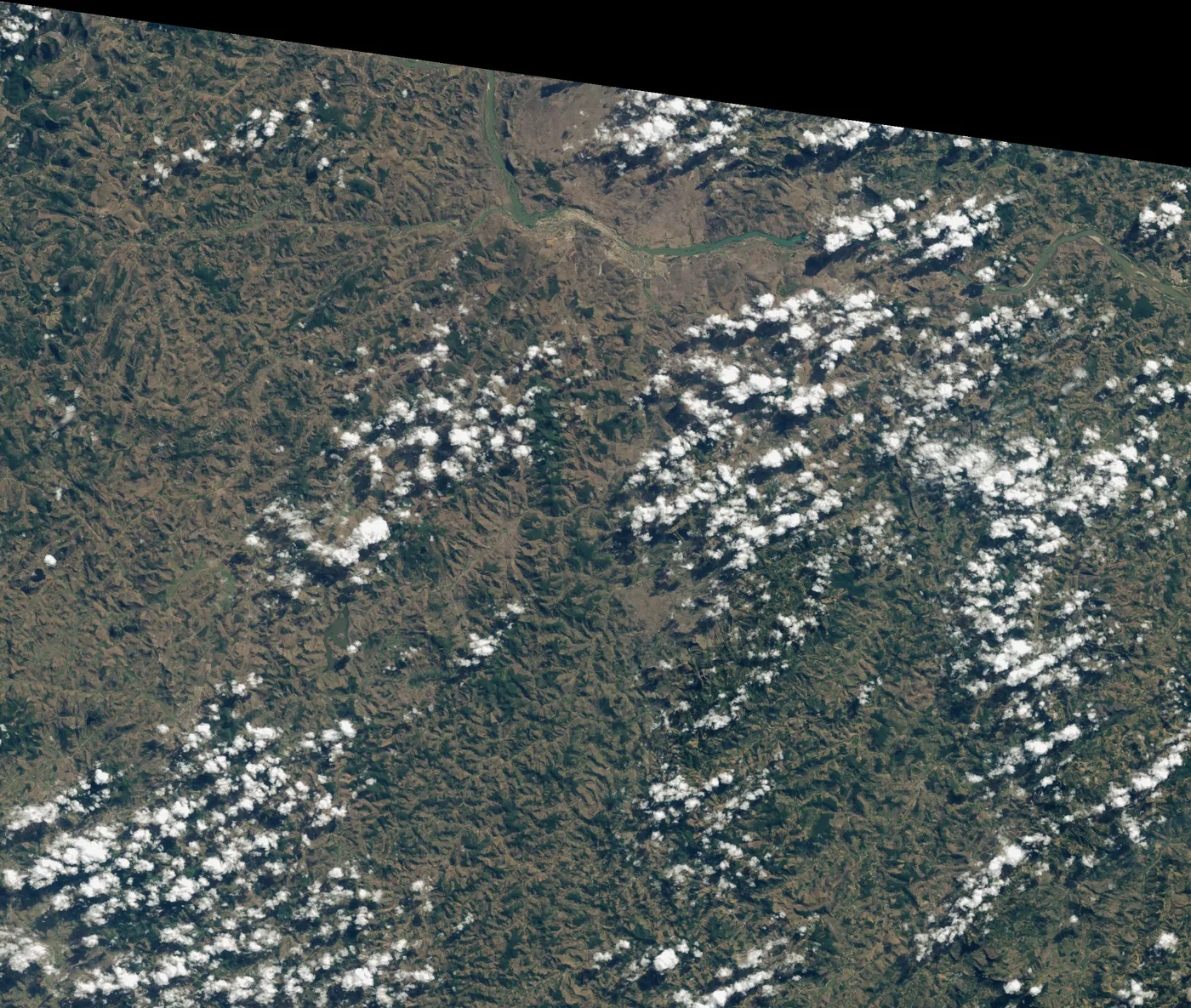
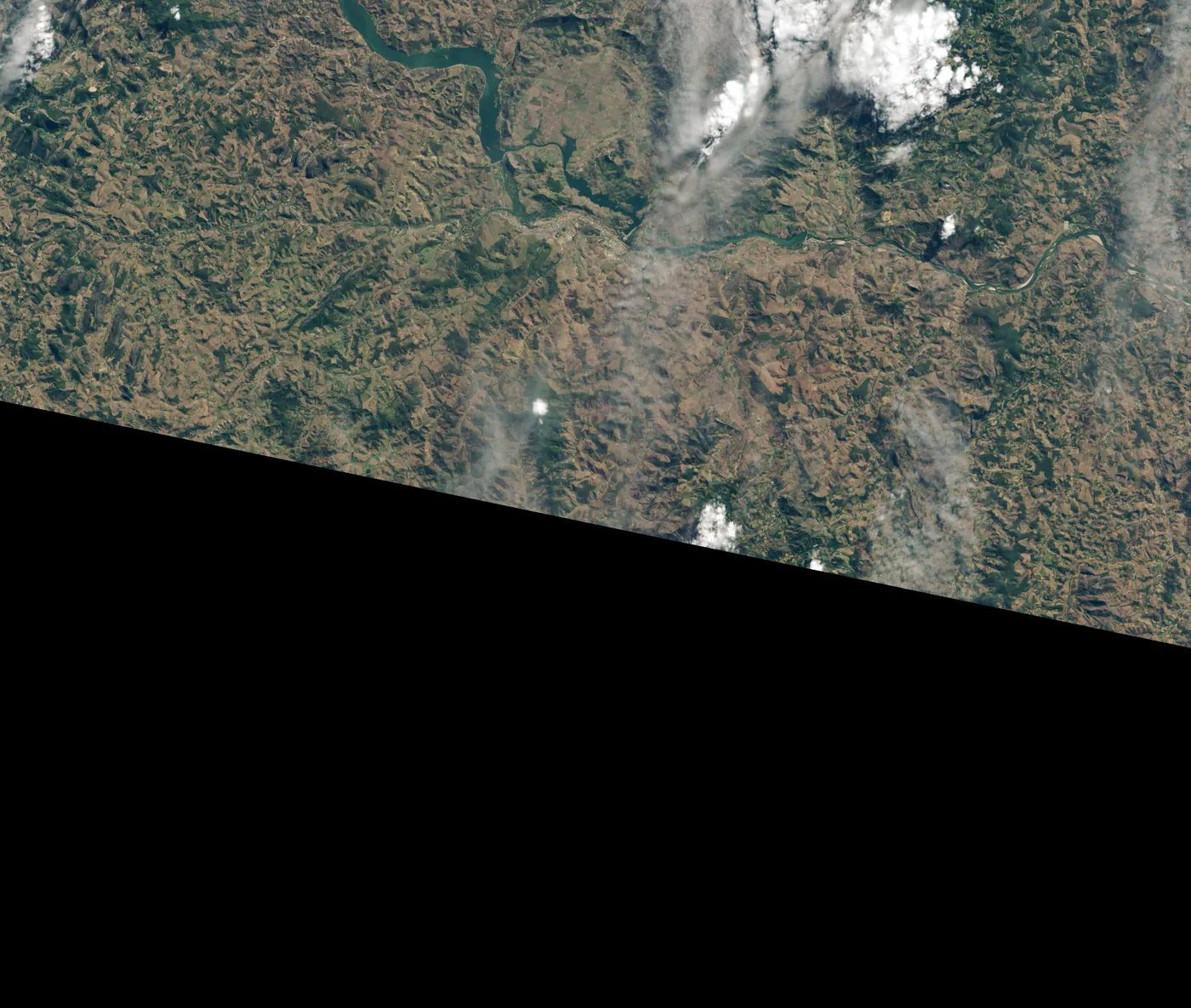
Míralo cambiar desde el espacio
Google Earth Timelapse muestra cada año desde 1984. Dale play y mira cómo cambia la tierra.
La historia
The Atlantic Forest once stretched for thousands of kilometres along Brazil's coast. Satellite surveys suggest only about 10 to 15 percent of it remains.
In 1994 photographer Sebastião Salgado came home to Aimorés in Minas Gerais after reporting on the genocide in Rwanda. The forests around his childhood home had been cleared for cattle. His wife, Lélia Deluiz Wanick Salgado, proposed planting them back.
They founded Instituto Terra in 1998, and in 1999 students from Aimorés did the first planting. The farm became a private natural heritage reserve. The team planted native seedlings, helped natural regrowth along, and later added more species.
By 2019 the reserve held 297 native tree species, along with birds, mammals, frogs and reptiles that had been missing. Satellite images show a dark green strip of forest where there were brown hills in 2000.
Sebastião Salgado died on 23 May 2025, aged 81. Instituto Terra, now chaired by their son Juliano, carries the work on, growing seedlings, training people and helping restore springs across the Rio Doce valley.
Cómo lo hicieron
- Planted native Atlantic Forest seedlings on eroded hillsides
- Helped natural regrowth along, then added more species to enrich the young forest
- Protected the land as a private natural heritage reserve (RPPN)
- Built a nursery that can grow more than 1 million native seedlings a year
- Ran environmental education and training for local young people and farmers
Qué cambió
- 608 hectares of former cattle pasture restored to forest.[2]
- By 2019: 297 native tree species, 172 bird species, 33 mammal, 15 amphibian and 15 reptile species.[2]
- More than 4 million seedlings planted on the former Bulcão Farm in the first 20 years.[1]
- Several dried-up streams flow again, according to Instituto Terra.[1]
- More than 82,000 people trained, and a nursery able to grow over 1 million native seedlings a year.[2]
- About 3.5 million trees planted in 27 years of work, by Instituto Terra's own count.[3]
Quiénes lo hicieron
Lélia Deluiz Wanick Salgado and Sebastião Salgado founded Instituto Terra; their son Juliano Ribeiro Salgado now chairs it. Local students did the first planting, and the institute's staff, nursery workers and Rio Doce valley farmers carry the work on.
Bueno saberlo
It is a small area. NASA notes the reforested strip covers only a few hillsides and stream valleys, about 7 km².
Tree counts differ between sources and years (from about 2.5 million to more than 4 million), partly because some counts include planting beyond the farm.
Lo que podemos aprender
- One family's land can become a living seed bank and school for a whole valley.
- A nursery and training programme let the work spread well beyond the first farm.
- Forest brings water back: protecting springs became a regional programme.
Fuentes
- 1.A New Patch of Green in Brazil · NASA Earth Observatory · Satélite
- 2.Instituto Terra: restoring the Atlantic Forest (case study, Restor and Chazdon 2021) · FAO Sustainable Forest Management Toolbox · Informe
- 3.Instituto Terra home page · Instituto Terra · Oficial
- 4.A life that continues to sow the future · Instituto Terra · Oficial
- 5.Renowned Brazilian photographer Sebastião Salgado dies at age 81 · PBS NewsHour (AP) · Historia
- 6.From barren land to thriving forest: the story of photographer Sebastião Salgado's Instituto Terra in Brazil · Global Voices · Historia
Más lugares que volvieron a la vida
Shaanxi, Shanxi, Gansu and Inner Mongolia, China · 1994 a 2005 (y desde entonces)
Meseta de Loess
unos 35.000 km² en dos proyectos del Banco Mundial
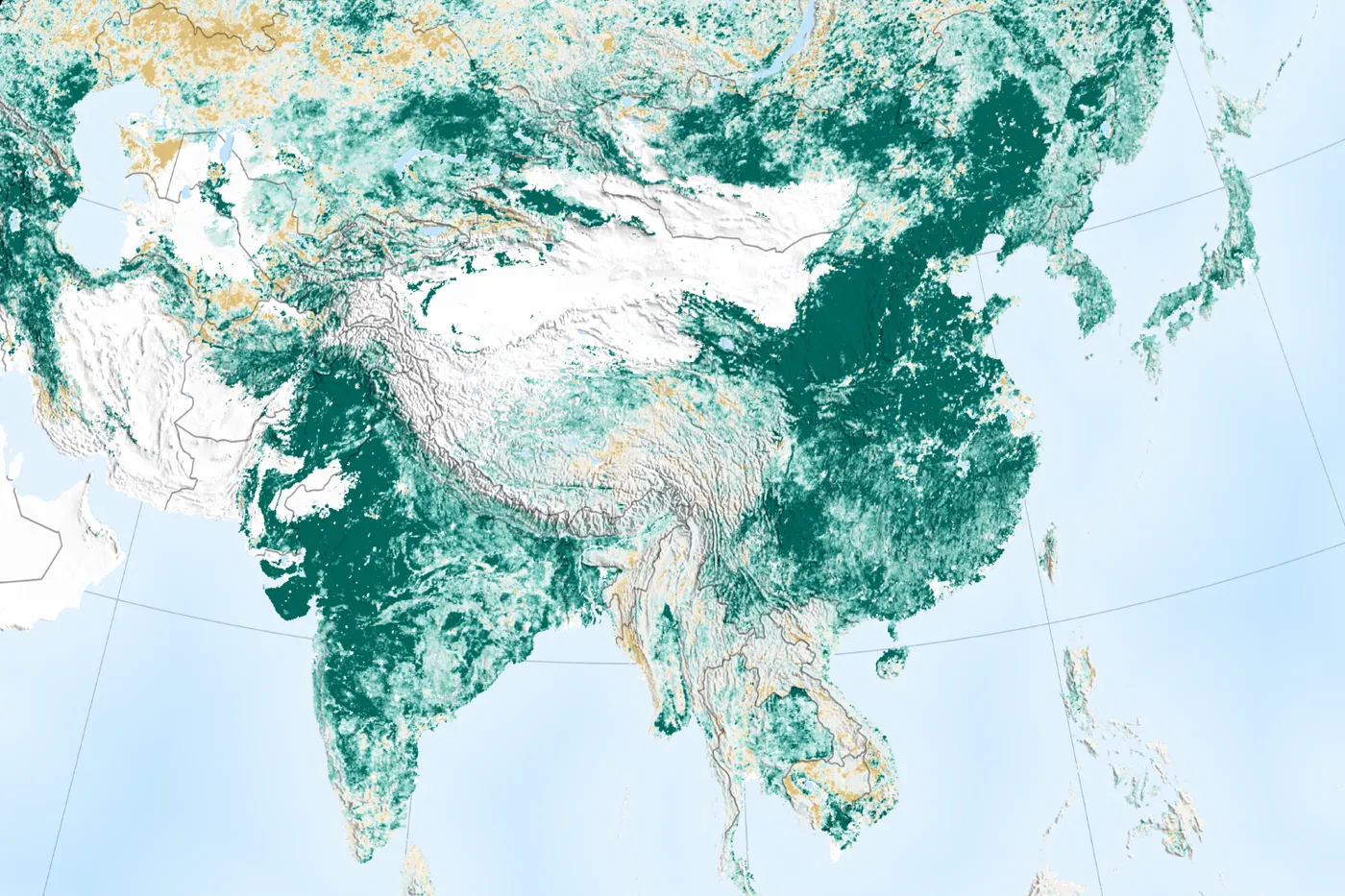
La Meseta de Loess tenía una de las tasas de erosión más altas del mundo. Desde 1994, las familias campesinas construyeron terrazas y pequeñas represas, dejaron de pastorear libremente y volvieron a sembrar las laderas. La cobertura vegetal se duplicó, los ingresos se duplicaron y el río Amarillo arrastra mucho menos suelo.
Maradi and Zinder regions, southern Niger · 1983 hasta hoy
El reverdecer de Níger en manos campesinas
unos 5 millones de hectáreas
Tras las sequías de los años setenta y ochenta, las tierras de cultivo del sur de Níger estaban casi desnudas. Los agricultores empezaron a proteger los brotes de los tocones vivos en sus campos. Los árboles volvieron en millones de hectáreas, a muy bajo costo.
Tigray, northern Ethiopia · 1991 a 2020
Tigray
más de 1 millón de hectáreas
Tras la hambruna y la guerra de los años ochenta, las comunidades de Tigray pasaron unos 30 años haciendo terrazas en las colinas, construyendo diques de contención y cerrando al pastoreo la tierra agotada. El agua subterránea volvió, el riego pasó de unas 40 a casi 40.000 hectáreas y la región ganó en 2017 un premio de oro respaldado por la ONU. La guerra de 2020 a 2022 golpeó terriblemente a la gente y a este trabajo.