Fruto · Al Baydha, Makkah Province, Saudi Arabia · 2010 a 2016 (trabajo activo)
Proyecto Al Baydha
En unas laderas que reciben unos 70 mm de lluvia al año, una comunidad beduina y diseñadores de permacultura atraparon cada crecida en zanjas de infiltración y diques, y cultivaron árboles que sobrevivieron después de cortar el agua.
unos 70 mm de lluvia al año
Míralo cambiar desde el espacio
Google Earth Timelapse muestra cada año desde 1984. Dale play y mira cómo cambia la tierra.
La historia
Al Baydha sits in the rocky foothills of the Hijaz Mountains, about 50 km south of Mecca. Rain is rare: Neal Spackman put the average at about 70 mm a year, with evaporation over 5,000 mm. Rain often comes as a single flood after years without any.
The project was founded in 2009 by Princess Haifa Al-Faisal, Mona Hamdy and permaculture designer Neal Spackman, with advice from Geoff Lawton. It aimed to restore land and create work and income for the settled Bedouin families who live there.
Earthworks began in October 2010. The team dug swales, built about 30 check dams and stone terraces, and waited for rain. The first flood in January 2011 broke some check dams but filled the swales. The first trees, mostly native acacia, prosopis and ziziphus, went in from December 2012, spaced to match the water caught.
Funding stopped in 2016 and the irrigation was turned off. The trees survived. When Neal Spackman returned in 2020, after about two and a half years with almost no rain, he described the land as lush, with native plants regenerating and insects, birds, lizards and small mammals back.
Cómo lo hicieron
- Swales on contour to catch and sink runoff
- Check dams, gabions and stone terraces to slow flash floods
- Planted hardy native trees (acacia, prosopis, ziziphus) spaced to the water caught
- Drip irrigation only until roots reached deeper moisture
- Mulched swales and let native groundcovers return
Qué cambió
- About 30 check dams and swales built after earthworks began in October 2010.[2]
- About 2,000 trees planted by around 2014, with about 4,000 more planned, depending on rain.[2]
- Funding and irrigation stopped in 2016, but the trees survived the following winter and kept growing.[1]
- By 2020 the land responded much more strongly to rain, with native species regenerating and wildlife returning in stages.[3]
Quiénes lo hicieron
Bedouin families of Al Baydha worked on and with the project. Founders Princess Haifa Al-Faisal, Mona Hamdy and Neal Spackman (director 2010 to 2017), with permaculture adviser Geoff Lawton.
Bueno saberlo
It is small and nearly all the evidence comes from the project's own team, mostly Neal Spackman. There is no published, independent monitoring.
Active work ended in 2016, and the project's current status is not well documented.
Lo que podemos aprender
- In deserts, design for the flood, not the average.
- Plant only as many trees as the water you have caught can carry.
- Land that can hold water can keep healing after people step back.
Mira
Fuentes
- 1.Al Baydha Project · Wikipedia · Historia
- 2.20 months of growth on swales in Saudi Arabia (thread by Neal Spackman) · Permies forum · Historia
- 3.Absorbing rains to bring landscapes back to life: Neal Spackman (2024) · Climate Water Project · Historia
- 4.Regenerative agriculture and desertification reversal: Al Baydah project (2024) · Goumbook · Historia
- 5.The Story of Al Baydha: a regenerative agriculture in the Saudi desert · Al Baydha (YouTube) · Película
Más lugares que volvieron a la vida
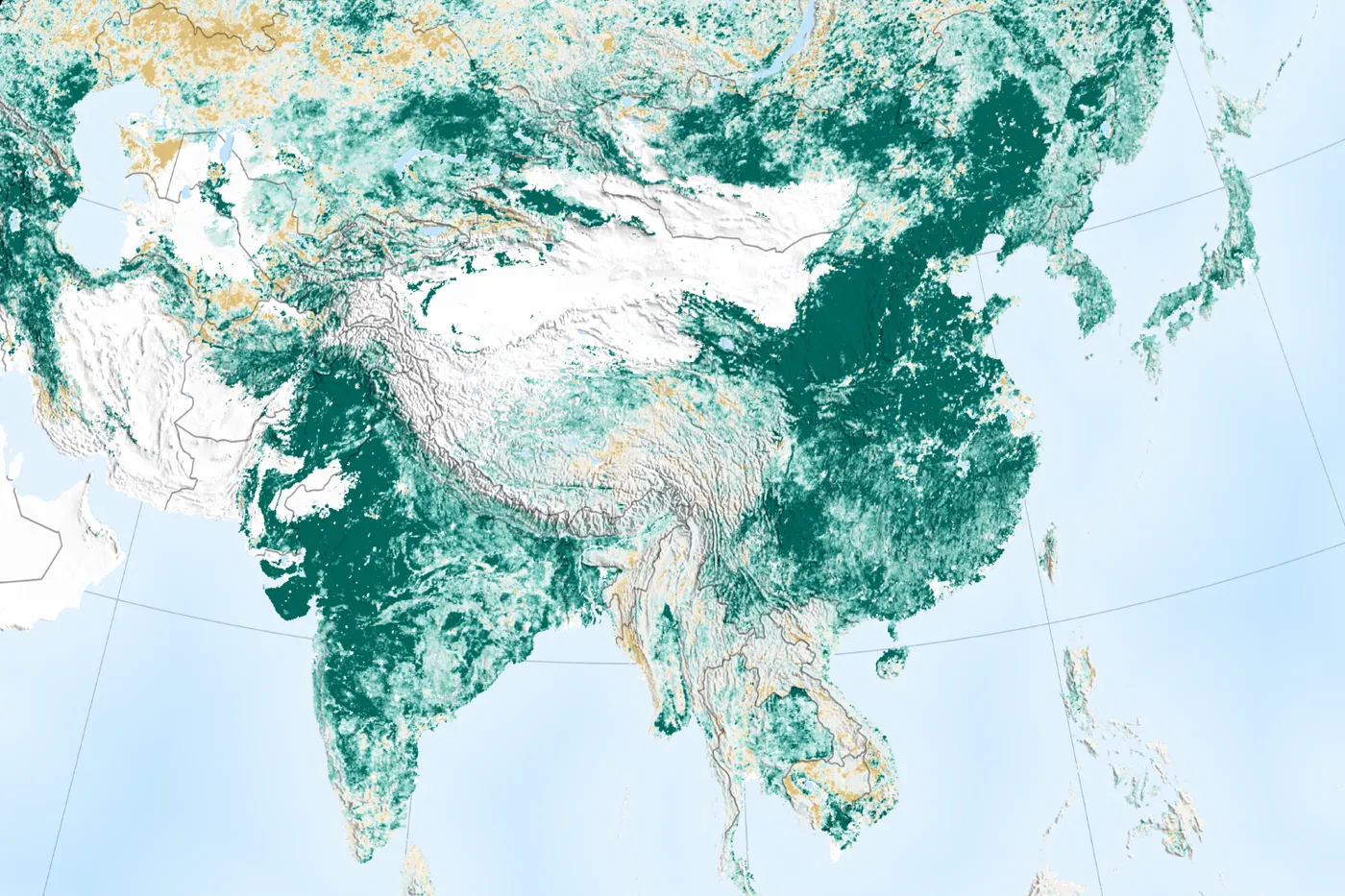
Shaanxi, Shanxi, Gansu and Inner Mongolia, China · 1994 a 2005 (y desde entonces)
Meseta de Loess
unos 35.000 km² en dos proyectos del Banco Mundial
La Meseta de Loess tenía una de las tasas de erosión más altas del mundo. Desde 1994, las familias campesinas construyeron terrazas y pequeñas represas, dejaron de pastorear libremente y volvieron a sembrar las laderas. La cobertura vegetal se duplicó, los ingresos se duplicaron y el río Amarillo arrastra mucho menos suelo.
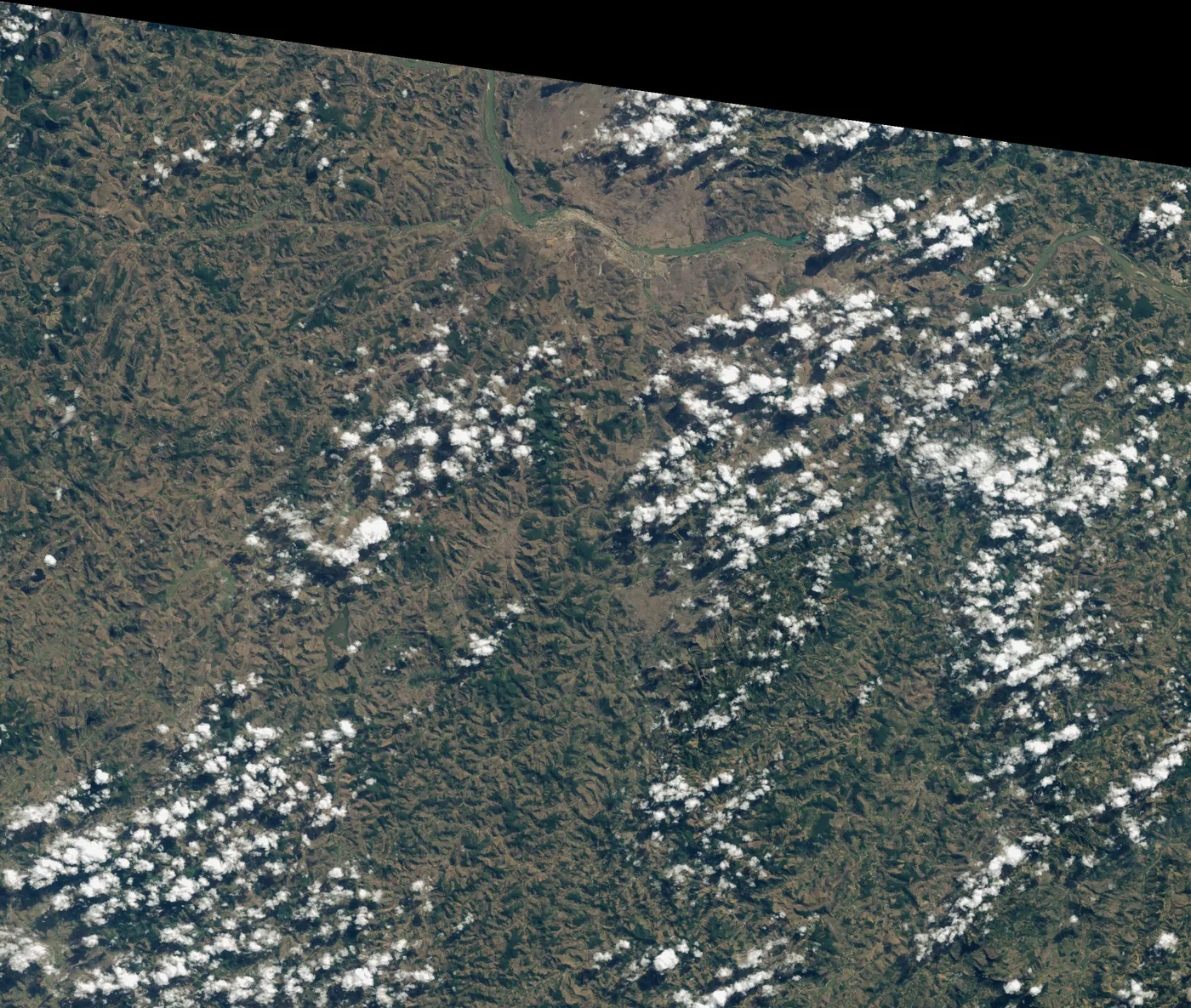
Fazenda Bulcão, Aimorés, Minas Gerais, Brazil · 1998 hasta hoy
Instituto Terra
608 hectáreas de Mata Atlántica
Cuando los Salgado volvieron a Aimorés en los años noventa, la finca familiar estaba pelada y erosionada. Lélia propuso volver a sembrar el bosque. Dos décadas después, las colinas tienen bosque, muchas especies han vuelto y los arroyos secos corren de nuevo.
Maradi and Zinder regions, southern Niger · 1983 hasta hoy
El reverdecer de Níger en manos campesinas
unos 5 millones de hectáreas
Tras las sequías de los años setenta y ochenta, las tierras de cultivo del sur de Níger estaban casi desnudas. Los agricultores empezaron a proteger los brotes de los tocones vivos en sus campos. Los árboles volvieron en millones de hectáreas, a muy bajo costo.