Fruto · Republic of Korea · 1973 a los años 2000
Los bosques de Corea del Sur
Corea del Sur reforestó 1,08 millones de hectáreas en seis años, y las montañas peladas de la posguerra son hoy bosques que cubren cerca del 64 por ciento del territorio.
hoy, cerca del 64 por ciento del territorio es bosque
Míralo cambiar desde el espacio
Google Earth Timelapse muestra cada año desde 1984. Dale play y mira cómo cambia la tierra.
La historia
South Korea's forests were heavily cut during the Japanese occupation and the Korean War (1950 to 1953). Until the late 1950s, 58 percent of the mountains were bald, and people relied on firewood.
In 1973 the government launched the first Ten-Year Forest Rehabilitation Plan, to replant 1 million hectares with 2.1 billion trees. It was done in six years: 1.08 million hectares and 2.96 billion plants.
Villages did much of the work through the Saemaul (New Village) movement. Village plantings covered 470,000 hectares, 43 percent of all afforestation from 1973 to 1978, and village nurseries grew more than a third of the seedlings. Villages shared profits from fuelwood forests, and switching to coal reduced the need to cut the hills.
A second ten-year plan followed and was finished in nine years. Satellite records show the young forests growing and their growing season lengthening. Forest now covers about 64 percent of the land.
Cómo lo hicieron
- National ten-year replanting plans with clear targets
- Village forestry cooperatives and the Saemaul movement doing the planting
- Village nurseries that paid members and built village funds
- Profit sharing on fuelwood forests between villages and landowners
- Switching homes from firewood to coal
Qué cambió
- First plan: 1.08 million hectares and 2.96 billion plants, 108 percent of target, in six years.[1]
- Village (Saemaul) planting covered 470,000 hectares, 43 percent of national afforestation from 1973 to 1978.[1]
- Village nurseries grew 34.8 percent of the 2.7 billion seedlings in the first plan period.[1]
- Forest covered 64.4 percent of South Korea's land in 2023.[3]
- Young forests, mostly under 30 years old, hold 72 percent of the country's forest biomass.[2]
Quiénes lo hicieron
Villagers across the country, working through village forestry cooperatives and the Saemaul movement, with the national government and forest service setting the plans.
Bueno saberlo
Much of the forest is young and was planted in a short burst, so it is fairly uniform in age.
Forest area has eased slightly since 1990, from about 68 to about 64 percent of the land.
Lo que podemos aprender
- National targets work best when villages do the planting and share the benefits.
- Give people another fuel and the hills can rest.
- A whole country can turn bare hills into forest within one generation.
Fuentes
- 1.How the Republic of Korea successfully implemented a country-wide reforestation policy within 40 years (2018) · Asian Development Bank, Development Asia · Informe
- 2.Satellite data-based phenological evaluation of the nationwide reforestation of South Korea (Jeong et al. 2013) · PLOS ONE · Investigación
- 3.Forest area (% of land area), Korea, Rep. · World Bank Open Data (FAO data) · Oficial
Más lugares que volvieron a la vida
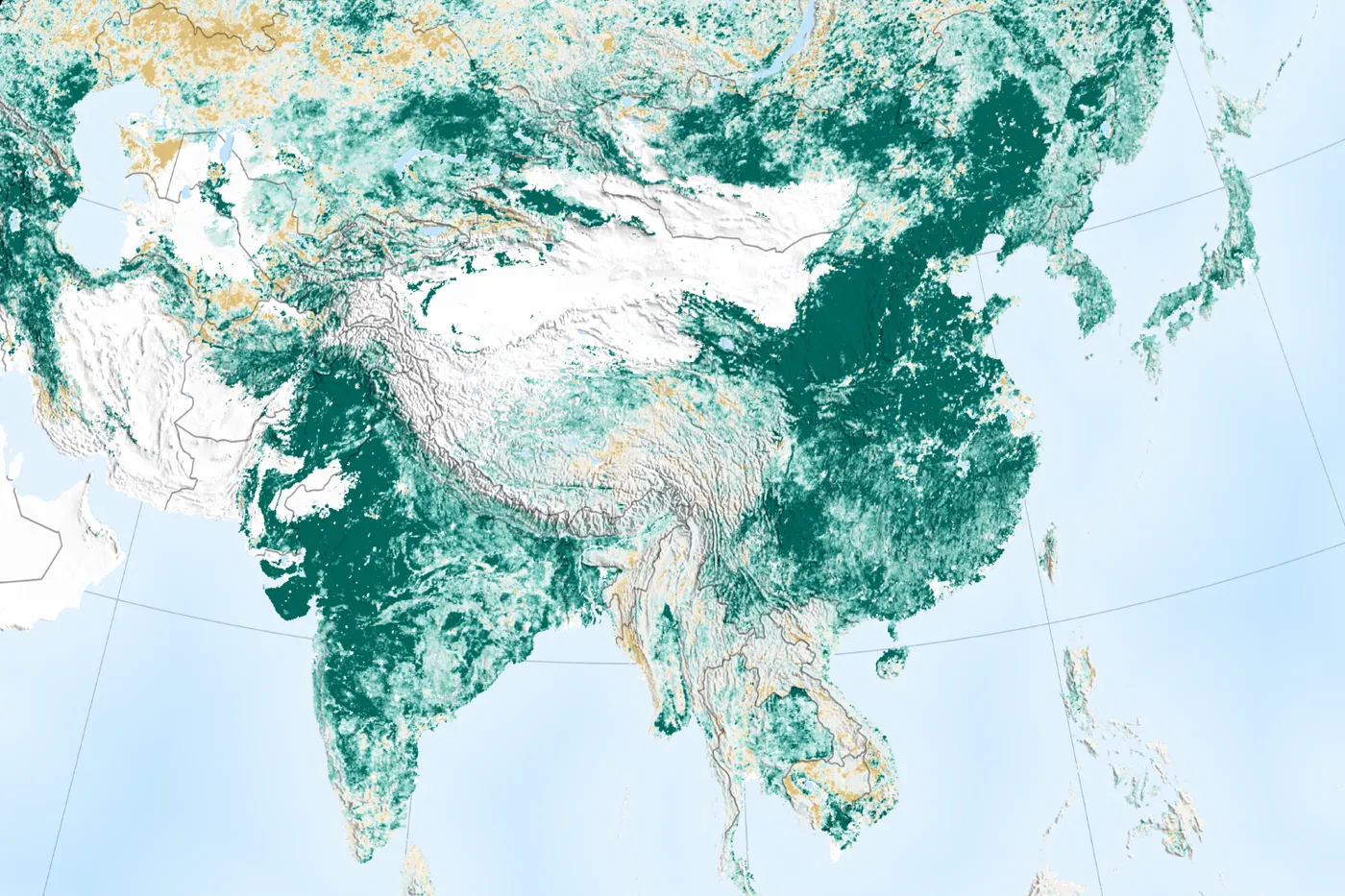
Shaanxi, Shanxi, Gansu and Inner Mongolia, China · 1994 a 2005 (y desde entonces)
Meseta de Loess
unos 35.000 km² en dos proyectos del Banco Mundial
La Meseta de Loess tenía una de las tasas de erosión más altas del mundo. Desde 1994, las familias campesinas construyeron terrazas y pequeñas represas, dejaron de pastorear libremente y volvieron a sembrar las laderas. La cobertura vegetal se duplicó, los ingresos se duplicaron y el río Amarillo arrastra mucho menos suelo.
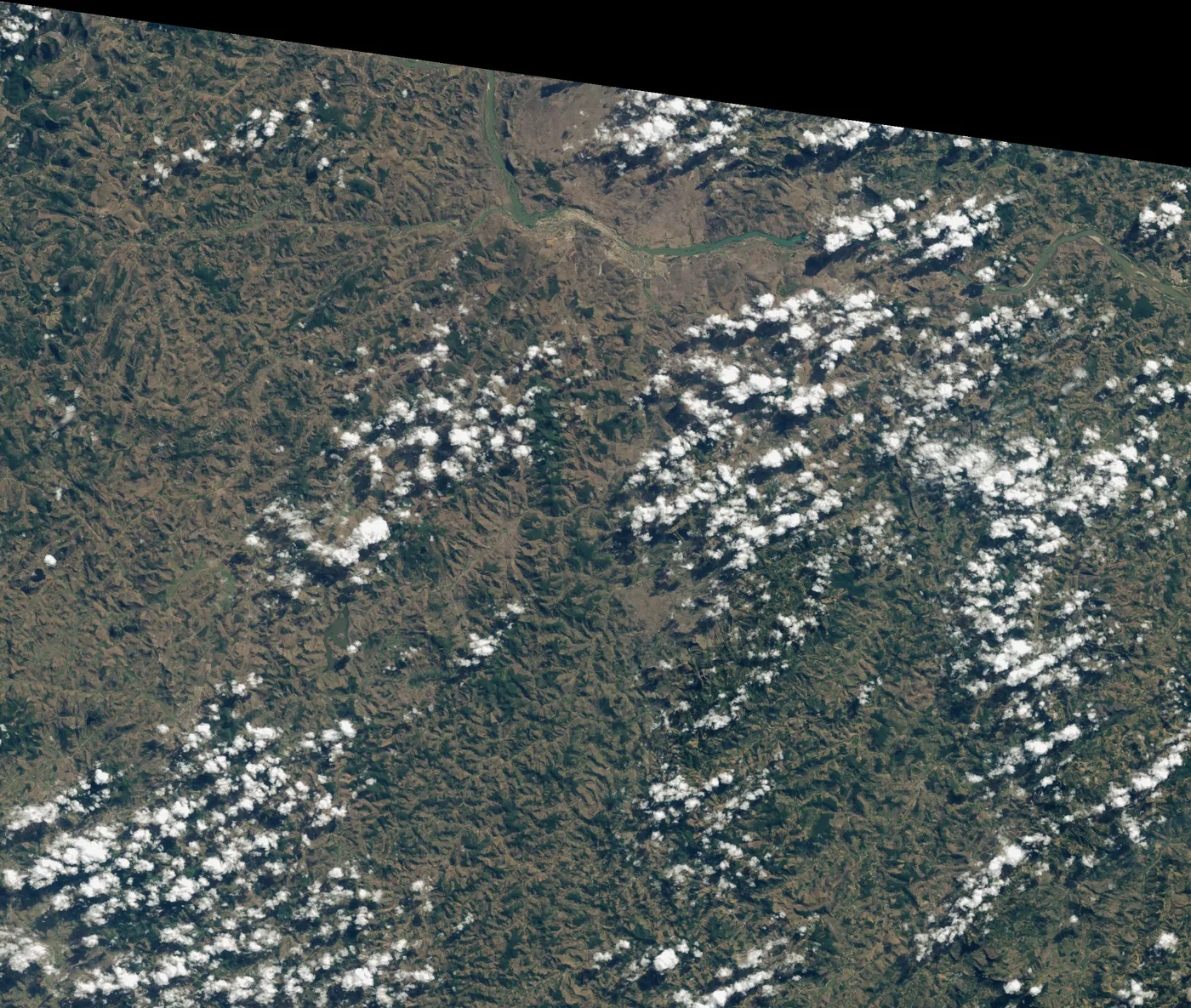
Fazenda Bulcão, Aimorés, Minas Gerais, Brazil · 1998 hasta hoy
Instituto Terra
608 hectáreas de Mata Atlántica
Cuando los Salgado volvieron a Aimorés en los años noventa, la finca familiar estaba pelada y erosionada. Lélia propuso volver a sembrar el bosque. Dos décadas después, las colinas tienen bosque, muchas especies han vuelto y los arroyos secos corren de nuevo.
Maradi and Zinder regions, southern Niger · 1983 hasta hoy
El reverdecer de Níger en manos campesinas
unos 5 millones de hectáreas
Tras las sequías de los años setenta y ochenta, las tierras de cultivo del sur de Níger estaban casi desnudas. Los agricultores empezaron a proteger los brotes de los tocones vivos en sus campos. Los árboles volvieron en millones de hectáreas, a muy bajo costo.